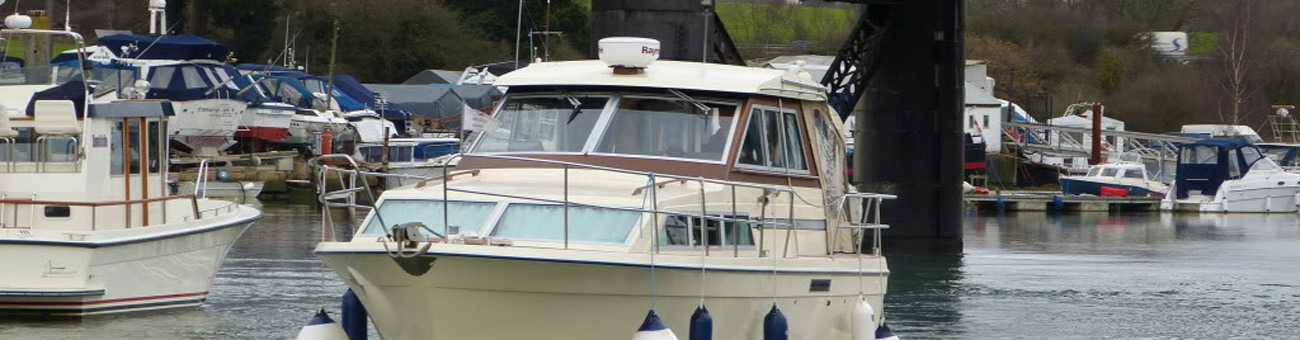
Aim: To teach boat handling & safety within a defined area
A: Theory Session
Types of craft
- Sportsboat, motor cruisers planing/displacement
- Types of hull, seakeeping, wash and considerations
Engines and drives
- Advantages and disadvantages
- Petrol / diesel
- Single / twin screw
- Shafts / outdrives, outboard, waterjets
Engine operation and maintenance
- Pre-start checks inboard / outboards
- Engine checks while running
- Routine maintenance checks
- Fuel consumption range, reserve, and location of fuel cut-offs
- Basic fault diagnosis
Safety and seamanship
- Personal safety equipment - lifejackets, buoyancy aids, flares, first aid kit
- Anchoring - types, stowage, depth of water, preparation, check holding, weighing
Rule of the road
- Has a working knowledge of the International Regulations for Preventing Collisions at Sea
B: Practical Session
Boat preparation
- Local boating conditions and regulations
- Preparation of boat, lines, fenders
- Safety equipment, lifejackets, dangers, number in boat
- CE marks, loading, effect on handling and performance
- Use of kill cords
If trailer - number of people for launching / recovery, slipway condition, steep / slippery, wind
- Can tie & knows use of: bowline, round turn & two half hitches, clove hitch, single & double sheetbend
Boat handling
- Steering, controls, windage
- Starting and stopping
- Low speed, steering a straight course
- Turning in a confined area
- Effect of wind on bow
- High speed / full power, planning, trim tabs and power trim
- S turns, U turns, stopping from speed
- Displacement craft: handling ahead and astern
- Carrying way
Securing to a buoy
- Preparation of mooring warp and boat hook
- Method of approach in various conditions
- Crew communication
- Making fast
Alongside
- Preparation and use of lines, springs, fenders, attachment to boat, stowage underway, securing to cleats
- Method of approach in various wind and tide conditions
- Making fast - importance of 'taking a turn'
- Use of springs to leave a berth
Man overboard
- Immediate reaction
Proper observation of man overboard
- Correct return
- Awareness of propellers
- Final approach and recovery of man overboard